Built for the weeks after surgery
Knee replacement, ACL repair, rotator cuff, ankle fixation — every procedure comes with a to-do list. We help you knock out the equipment part before you're home and hurting.
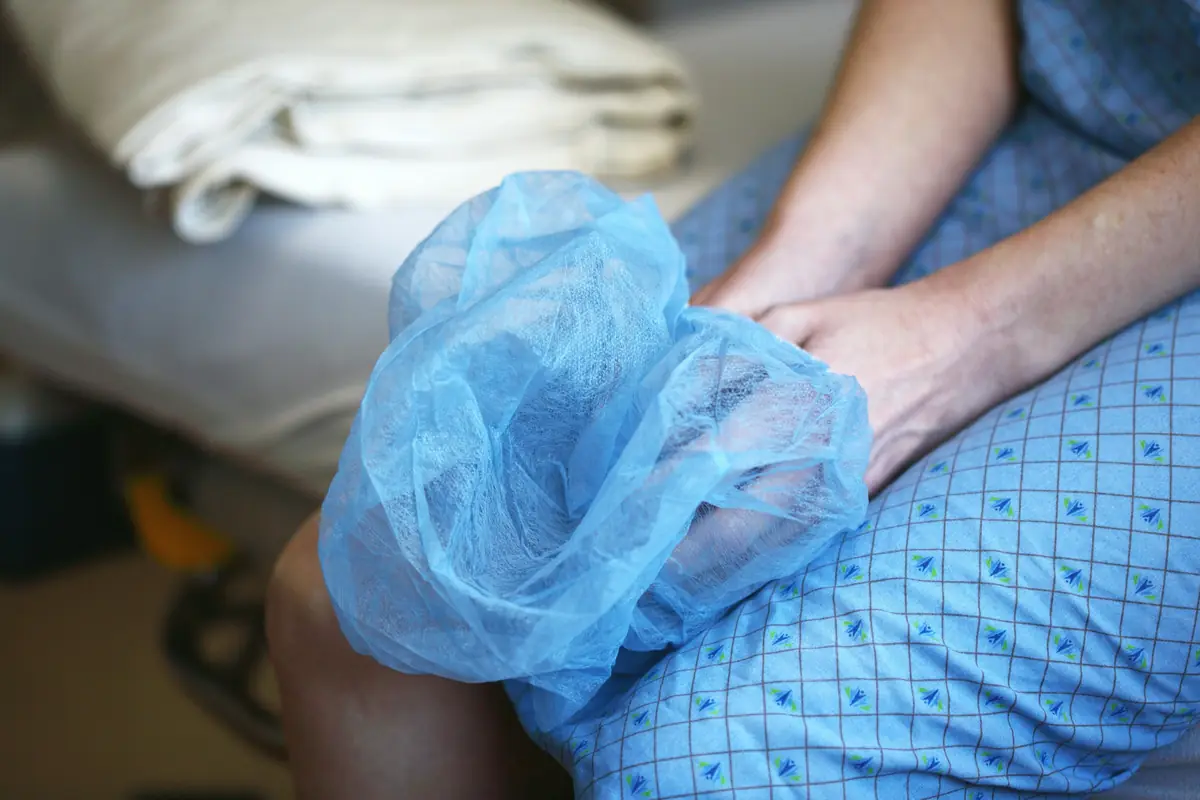
Plan the gear before the procedure
Most surgical teams hand out a list of equipment to have ready. Some items arrive through the hospital or surgery center; others are up to you. The worst time to discover a missing shower seat is the first evening home.
Call us with your surgery date and the list you were given. We'll go through it line by line, flag anything that needs a written order, and help you get sized while you can still stand on both feet and measure properly.
Not sure what your surgeon expects? That's a good question to ask at your pre-op appointment. Bring the answer back and we'll take it from there.
What usually makes the list
Cold therapy
Reusable cold packs, wraps shaped for knees and shoulders, and cold compression units when your surgeon recommends one. Always use cold therapy exactly as directed.
Post-op braces & slings
Hinged knee braces, walking boots, shoulder slings and immobilizers that protect the repair while it heals.
Bathroom setup
Shower chairs, tub transfer benches, raised toilet seats and safety frames — the room where most people need help first.
Daily-living aids
Reachers, sock aids, long-handled sponges and leg lifters that save you from bending a new hip or knee.
Positioning
Leg elevation wedges, seat cushions and bed supports to keep you comfortable and aligned while you rest.
Getting around
Walkers, crutches and knee scooters, adjusted for your height and your home. See mobility aids.
Same goal, different playbook
Knee procedures
Expect a focus on swelling control, a brace that limits motion early on, and something to lean on — a walker or crutches at first, a cane later. A raised toilet seat makes a real difference.
Hip procedures
Hip precautions often limit how far you can bend. That's where reachers, sock aids, raised seats and a firm chair cushion earn their keep.
Shoulder procedures
A sling or immobilizer usually stays on for a while, including at night. A recliner or wedge pillow helps many people sleep, and a shower seat keeps one-handed bathing safer.
Foot and ankle procedures
Non-weight-bearing time can be long. Crutches, a knee scooter or a walker, a walking boot later on, and a shower bench are common picks.
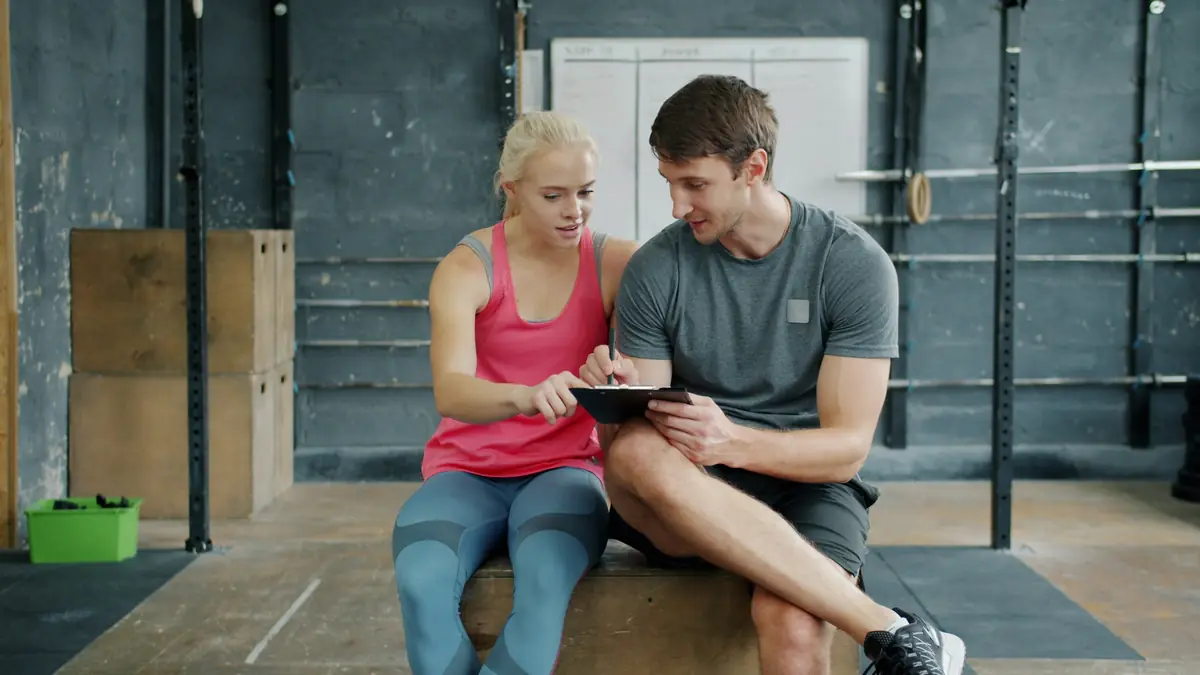
Your surgeon's instructions come firstWe help you choose and use equipment. We don't diagnose, treat or change your post-op plan. If anything about your recovery feels wrong — rising pain, fever, numbness or new swelling — call your surgeon's office right away.
Recovery questions we hear a lot
When should I call about equipment before surgery?
As soon as you have a date. A week or two out gives time to size items, sort out any paperwork and practice with crutches or a walker at home.
Do I need a prescription for cold therapy?
Simple cold packs and wraps usually don't. Cold compression units and many post-op braces are typically ordered by the surgeon, especially when insurance may be involved. We'll sort out which items need one.
Can someone else make the calls for me?
Absolutely. Plenty of our calls come from spouses, adult kids and friends doing the legwork. Some insurance steps may need the patient's own permission — we'll let you know.
Surgery on the calendar?
Send us your date and your list. We'll help you check every box before the big day.