Keep moving. Safely.
Whether you're non-weight-bearing for six weeks or just need a little help on the stairs, the right mobility aid keeps you independent while you heal.
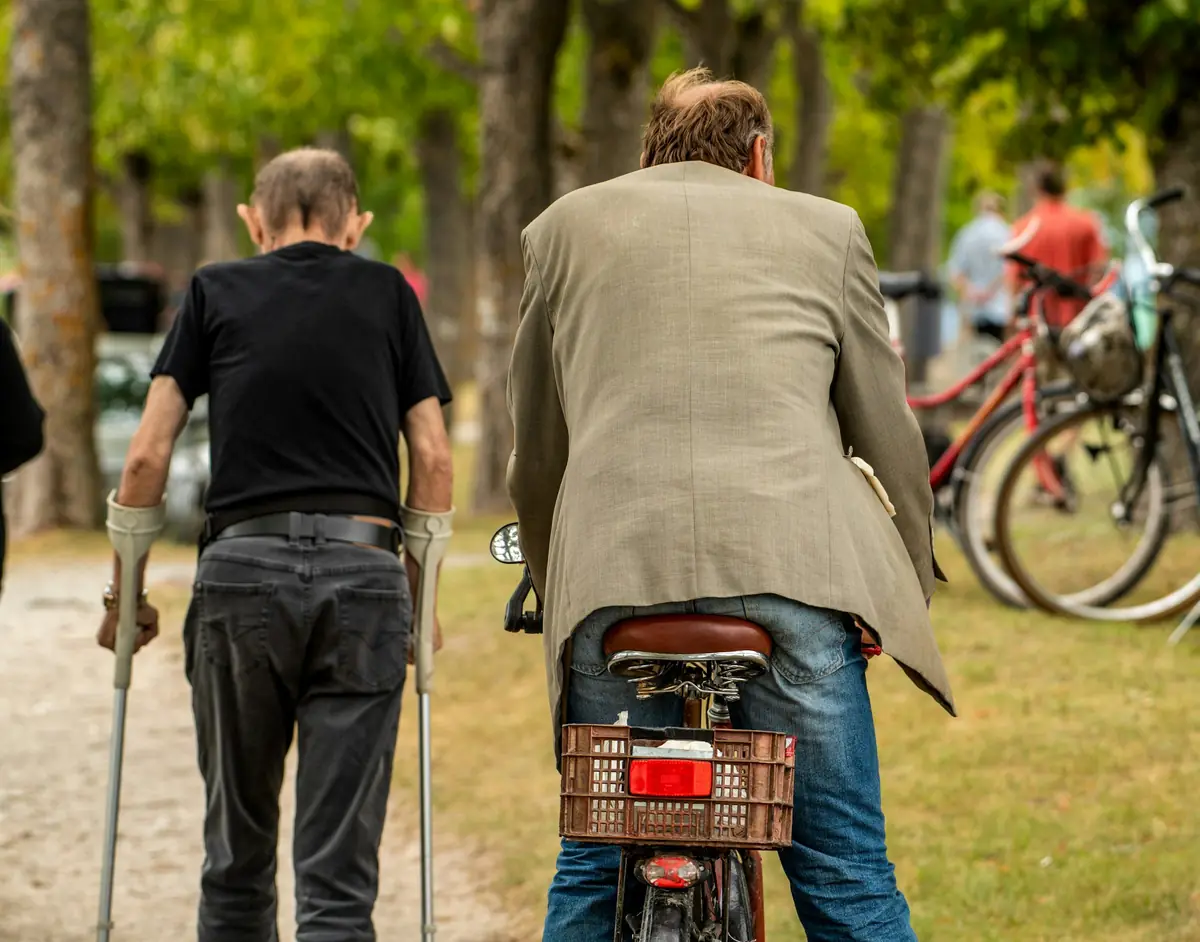
From first steps to full stride
Crutches
Underarm and forearm styles. Great for short-term non-weight-bearing if you have good balance and upper-body strength.
Knee scooters
Rest your shin on a padded platform and roll. Popular for foot and ankle recovery, especially on flat ground.
Walkers
Standard and two-wheeled walkers for steady support in the early weeks after knee and hip procedures.
Rollators
Four wheels, hand brakes and a seat for longer walks once you're steadier on your feet.
Canes
Single-point and quad canes for the final stretch of recovery and for balance on uneven ground.
Transport chairs
Lightweight chairs a companion pushes — handy for appointments, airports and long distances.
Which aid fits your situation?
| Aid | Best when | Watch out for |
|---|---|---|
| Crutches | You need to keep weight off one leg and have good balance | Underarm pressure; stairs take practice |
| Knee scooter | Below-knee injury, mostly flat floors | Not for stairs, gravel or knee problems on the resting leg |
| Walker | You need maximum stability in the first weeks | Bulky in tight bathrooms and doorways |
| Rollator | You can walk but tire quickly or need rest breaks | Less support than a walker; always lock the brakes to sit |
| Cane | You're mostly steady and need a little balance help | Hold it on the side opposite the injured leg, unless told otherwise |
General information only. Your surgeon or physical therapist will tell you which aid and how much weight you can put on the injured side.
Two inches can change everything
A mobility aid set at the wrong height throws off your posture and can cause shoulder, wrist or back pain. As a general rule, walker and cane handles sit near the crease of your wrist when your arms hang relaxed. Underarm crutch pads sit a couple of finger-widths below the armpit — your hands carry the weight, not your underarms.
We'll help you adjust everything to your height and walk through the basics: getting up from a chair, turning, using stairs if your clinician allows it, and getting in and out of a car.
Look at your home, too. Clear throw rugs and cords, make room in hallways, and plan where the aid will live at night so it's within reach when you get up.
- Handles near wrist height
- Rubber tips and wheels in good shape
- Clear paths through the house
- A plan for stairs and the car
A note on coverageWalkers, crutches and canes are equipment categories that may be covered by Medicare, Medicaid or private insurance when medically necessary and properly documented. Ask us how the general process works and what to ask your plan.
Mobility questions, answered
How do I handle stairs on crutches?
Only use stairs if your clinician has cleared you, and practice with someone nearby the first time. A common cue is “up with the good, down with the bad” — lead with the uninjured leg going up and the crutches and injured leg going down. Use a handrail whenever you can.
Can I use a knee scooter outside?
Many people use them on smooth sidewalks and parking lots. Gravel, grass, curbs and slopes are risky. Lock the brakes before you stand up or sit down.
When should I stop using my walker or cane?
When your surgeon or physical therapist says so. Stepping down too early is a common cause of setbacks. When it's time, we can help you switch to the next aid.
Need wheels, legs or a little lean?
Tell us your height, your home and your timeline. We'll help you choose.