Support that moves with you
The right brace protects a healing joint, steadies a wobbly one and gives you the confidence to train again. The wrong size does none of that. We help you get it right.
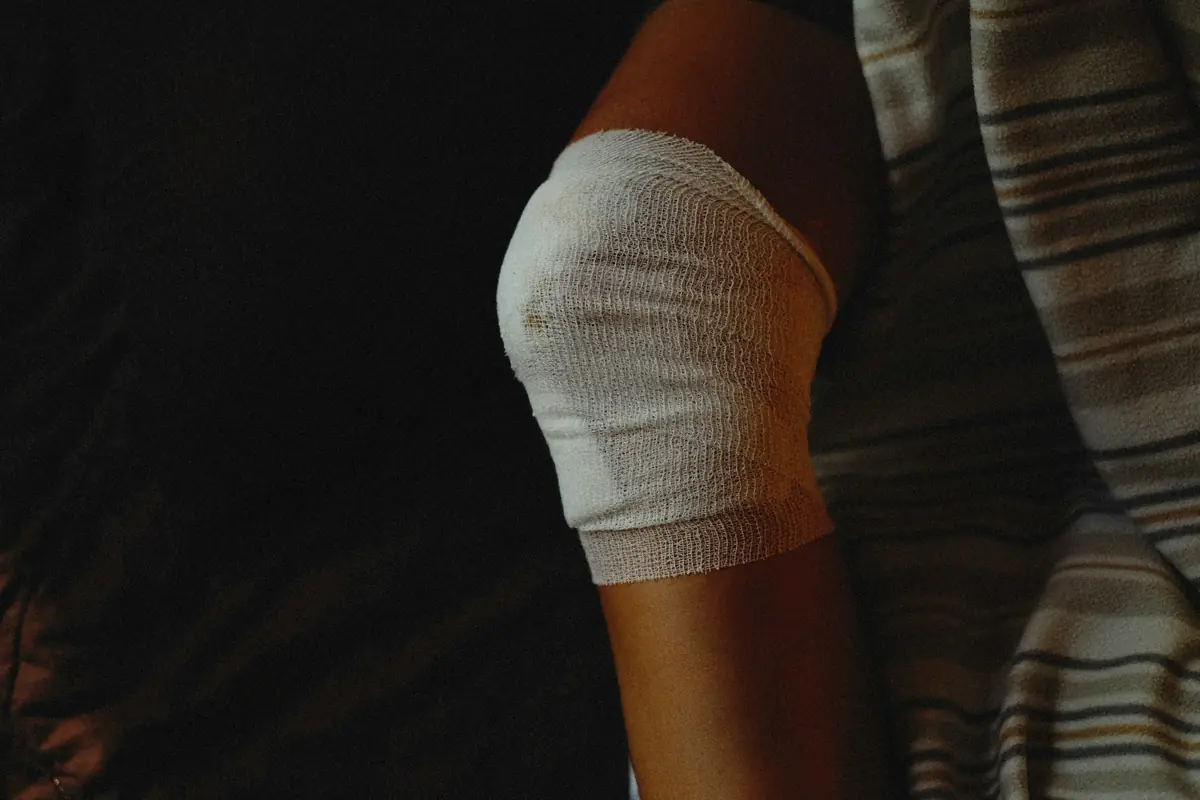
Head to toe, joint by joint
Knee
- Compression sleeves
- Hinged and post-op knee braces
- Patella straps and stabilizers
- Sport-style ligament supports
Ankle & foot
- Lace-up and strap ankle stabilizers
- Walking boots
- Night splints
- Arch and heel supports
Wrist, hand & elbow
- Wrist splints and braces
- Thumb supports
- Tennis and golfer's elbow straps
- Elbow sleeves
Back, shoulder & neck
- Lumbar supports and belts
- Posture supports
- Shoulder slings and immobilizers
- Soft cervical collars
Sizing isn't a guess. It's a tape measure.
Most braces are sized by a measurement taken at a specific point — around the knee at mid-kneecap, around the ankle, at the wrist crease. A brace that's too loose slides and rubs. Too tight, and it can pinch or cut off circulation.
We'll show you where to measure, explain how the straps and hinges adjust, and talk through how a brace should feel when it's on correctly: snug and supportive, never numb, tingly or painful.
If your clinician ordered a specific type of brace, bring the order. We'll match the category and help you understand how to wear it.
- Measure at the spot the size chart calls for
- Check fit after swelling changes
- Re-tighten straps after activity
- Stop and call your clinician if you feel numbness or tingling
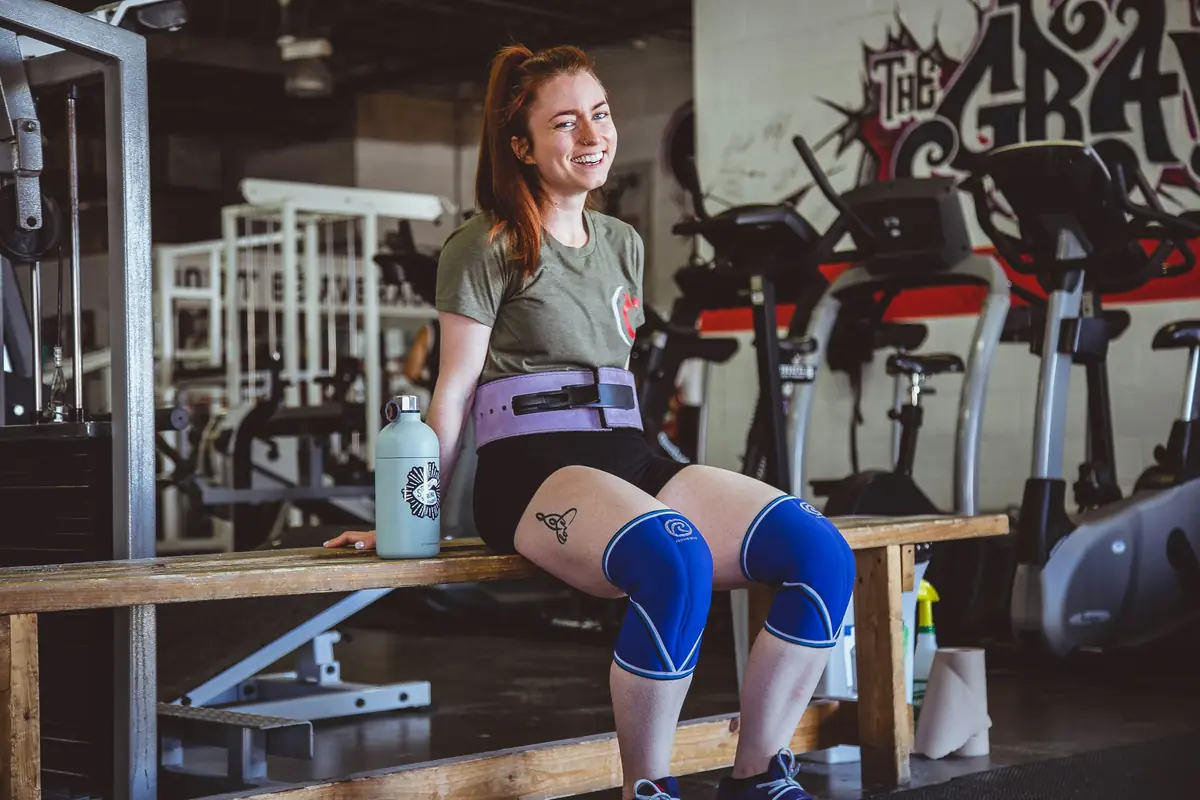
What's the brace for?
Protect
Post-op braces, boots and immobilizers that limit movement while tissue heals. Usually ordered by your surgeon.
Stabilize
Hinged braces and stabilizers that steady a joint with a history of sprains or ligament trouble.
Compress
Sleeves and wraps that add gentle compression and warmth for day-to-day comfort.
Perform
Sport-style supports for return to training, cleared by your care team for the activity you're doing.
Coverage and paperworkSome braces may be covered by Medicare, Medicaid or private insurance when medically necessary and properly documented — often with a written order and notes from your clinician. We'll explain the general process; your plan makes the final call.
Caring for your brace
Sweat, dirt and daily wear break braces down faster than you'd think. Most soft supports can be hand-washed in cool water and air-dried — never in the dryer, which can warp hinges and wear out elastic. Check straps and hook-and-loop closures regularly and replace worn liners so the fit stays true.
Skin check: after taking a brace off, look for red marks that don't fade within about half an hour, blisters or irritation. Tell your clinician if they show up.
Bracing questions, answered
Should I wear my brace all day?
Only if your clinician says so. Some braces are meant for activity, some for sleep, and post-op braces often follow a strict schedule. Wear time is a clinical decision — ask at your next visit if you're not sure.
Can I wear a sleeve or brace over clothing?
Most work best directly against the skin or over a thin liner so they don't slide. Very thick fabric changes the fit. If skin irritation is a concern, ask about liners.
My brace feels looser than it did. Is that normal?
Often, yes. Swelling usually goes down over time and straps stretch. Re-adjust the straps, re-measure if needed, and call us if the brace no longer stays in place.
Got a joint that needs backup?
Call with the joint, the activity and any order you have. We'll help you find the right support.